Labels

Thursday, 22 December 2016

Horrror

Horror Posters Google Search


Recently i have been looking on google images at horror film titles, and what they have in common. I spent half an hour scrolling through posters and of the 29 posters in the screenshot to the left, 22 of these all have the same title placings and although they differ slightly from one to another, they are all generally the same. By looking at most of the successful horror films, i am able to see that this is an effective way to template our film. Because of the layout our target audience should be able to tell what genre it is when mixed with certain colour pallets.   Most of the horror film posters all seemed to have one generic layout. After scrolling and searching I was able to design the most generic poster template based on the thousands of film posters readily available on google images. All of  the posters i found online also have been edited through a type of Photoshop. The editing used helps to make the colours darker and can also make the horror poster a more fearful feel. Using a dark shade of blue can add a sense of loneliness to the picture which helps to connote the danger characters can be in. However, white is another colour that is used frequently in horror posters. White connotes the innocent nature and used in horror connotes the ruining of innocence. To make our film poster effective for our target audience we should follow the conventions shown on the horror film posters, for example, the dark colours and the layout and struture of horror posters.

Monday, 19 December 2016

Faith Magazine Ideas

Faith had some inspiration whilst researching some film posters and came up with these three ideas.She then messaged me this photo and asked for my opinion. Personally, i prefer the central idea, as the magazine on the right is empty, but the magazine on the left seems too full.

Wednesday, 14 December 2016

Equipment

Since our AS production, i feel that me and Faith (especially) have became more experienced with our editing skills and that we have a more rounded knowledge of how to work the basics to Final Cut Pro X. However, i feel that we had some missing spots with our knowledge. At the end of AS Faith had no idea how to edit anything, leaving it all to me. Therefore I decided that i should help her edit effectively, so the work  can be easily more equally distributed.
This video helped me with six different effects on advanced editing. I feel that i could apply these techniques towards my media production to make our production seem a lot more professional in terms of the usage of different editing techniques. They also shown me the editing shortcuts using the keyboard to select the tools I wanted which saves a lot of time and effort. Editing takes arguably the longest to do which means that our editing skills have to be up to scratch. I have also been showing Faith how to edit so she isn't always so dependant on me for the editing. Whilst I have been showing the basics, I have been playing around, using more advanced knowledge to play with editing. From this I have actually found that using a dim colour slightly in the background can change the feel to a picture. For example giving a slight tint of dark blue can set a darker and dimmer atmosphere.

We will obviously be using tripods to stabilize certain shots, as well as using handheld to make sure that there is a wide range of shots used. I personally like the handheld feel to the performance as it helps to give a distorted and corruption of reality sense towards it. The shake effect also gives a feel of enigma, as it is harder for the audience to know what is going on (with excessive fast repetition of shaking). The shaking can however either make a performance better, by heightening emotions with it, or it can make the film look terrible. Shaking camera's do work best when it is used in conjunction with a point of view shot, showing the fear in the characters. 

  If possible we would stay away from the shots that require zoom as it makes the finishing piece a lot more pixelated, which makes our performance look and come across as a more amateur production and we want the best quality possible. In a zoomed frame it is harder for the camera to get good colours and the picture quality becomes a lot worse than the non zoomed frame. 
We would also use a microphone to pick up on the voices of the actors and actresses,to make sure our sound isn't too muffled. If our sound was too muffled, and hard to hear, then we would have to re-shoot the film scene which would waste some of our production time. It can also give the sound a more crisp finish, making it seem lot more professional. 
Tuesday, 6 December 2016

Plot Blocking- Faith

For the narrative, I need to use plot blocking to be clear on the most important moments within the film. This means that Karlton and I will be able to confidently be able to point out what narrative points our target audience will associate our film with. Plot blocking is almost like a storyboard, but without the large amount of detail and description for every shot. It means that the key moments are placed into a list in the order shown in the film if it were created. Plot blocking is an excellent way to consolidate our final idea as it involves blocking out the key parts of our film - making what happens within the narrative clear.
1. Two best friends - one of them goes missing.
2. The protagonist is introduced to a game in order to find her friend.
3. She does tasks and earns clues - risking her life.
4. The protagonist starts to put the clues together to find her friend. 
5. She finds her friend.
Due to it being a film trailer and not a film itself, means that I won't necessarily need to include all of these five blocks. Trailers aim to give only a sense of the narrative, without giving away what happens. It likes to keep the idea of mystery which is exactly what keeps the audience wanting to watch it - to find out what happens.

Applying it to TODROV'S theory:
Todrov's narrative theory is based around the idea that most story/plot lines have a pattern of five steps.
The Equilibrium is the idea that a film will start out happily, as we are introduced to the characters. A lot of films use this time to show the characters living their everyday lives. In my own piece, this would be the beginning of the trailer. We would need to show our protagonist living their normal life. A trailer will often use only glimpses of it, just so the audience get the idea of who the protagonist is. In this case, we could use this to introduce the two best friends.
The Disruption will be a problem that approaches within the narrative. This would be the thing that disrupts the happiness within the Equilibrium. When looking at my own narrative, the disruption would be the friend going missing. This brings in the idea of the happiness being interrupted and ruined.
The Recognition is the realisation of the problem within the narrative. In my film trailer, I would need to show the protagonist realising/finding out that the friend is missing. This would be a vital point, as the audience would be aware of both the close emotional relationship between the two friends, and the fact that she's missing - the reason for her being missing being shown with some scenes with the antagonist.
An attempt to repair the disruption is the fourth stage to Todrov's theory. This stage is based around the protagonist trying to fix the damage and get rid of the problem. In the film trailer, this will be the point where the antagonist will give the protagonist a chance to repair the issue, and get her friend back. This gives the idea that the antagonist is giving her a chance to fix everything, which would be the game he introduces to her. The protagonist would then use this stage of the theory and play the antagonist's game to find her friend. She will do the tasks set for her in order to get clues - trying to repair everything. In the trailer, I would want to show glimpses of the tasks she does, not giving too much away - however scaring the audience at the same time.
The NEW Equilibrium will, in a sense, be the new beginning or the ending of the narrative. It's the end result of the protagonist's journey. Whether this ending will be happy or not, is another matter. Not all narratives end happily, which I think I would apply to my own work. It's unconventional and leaves the audience in shock- craving more.

An example of this in 'Would You Rather.' 
A similar narrative to the one Karlton and I are creating is 'Would You Rather.' It's a 2012 American film directed by David Guy Levy following the narrative of a popular game -'would you rather.' A young woman,  struggling to pay for her ill brother's surgery and medication, accepts the invitation to join a game. The game is based around the idea of choice, for example,  would you rather hurt the person next to you, or hurt yourself.
The Equilibrium - The audience are introduced to the characters, both the protagonist and the ill brother. They're living at home, both relatively happy.
The Disruption - Iris, the protagonist, is introduced to a game of 'would you rather' in order to earn money to pay for her brother's medication. She goes off and meets others that had also been invited to the same game. 'Would you Rather' begins.
The Recognition - Iris realises that something is wrong - the game is sinister and life threatening. She carries on playing due to her desperately needing the money.
An attempt to repair - The tasks get too much and the protagonist tries to escape, however fails. She is then forced to carry on playing the game. She wins the game and earns the money.
The NEW Equilibrium - She gets home to tell her brother she's got the medication to cure him, however he is dead.

Example of plot blocking - 
1. The audience see the relatively happy life that the characters are living - seeing their home life.
2. Iris is invited to play a game of 'Would you Rather' in order to get money and medication for her sick brother. She accepts
3. The game is more sinister and cruel than she once thought. It puts her life in danger. She has to do grotesque tasks including hurting others around her.
4. She tries to escape, however fails - being forced to play the game. She wins the game and earns the medication she needs.
5. Her brother is dead and it's too late.

Plot blocking is effective when it comes to thinking scenes and key moments of the narrative through, making it easier and clearer when thinking about the film. In a film trailer, this may be slightly different due to it being designed to market a film, without revealing too much to the audience. Film trailer show moments that will draw the audience in to watch it. In our film trailer, Karlton and I may think about showing...
>  Moments of the two best friends, happily together in each other's company.
> Missing posters - showing the audience that one of them has gone missing.
> The antagonist torturing her as time runs out.
> Victims being tied up - crying and in pain.
> The end - five victims with nooses around their necks.
 

Thursday, 24 November 2016

Final Survey

Create your own user feedback survey

Monday, 10 October 2016

Technical Research

Lighting (LFX)


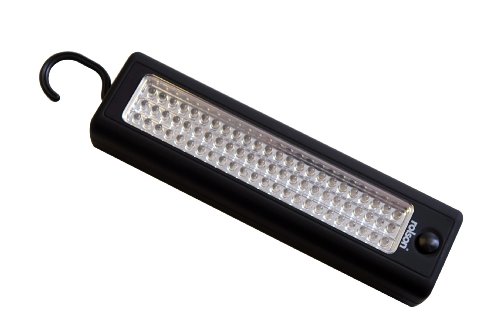
For our production, we will not be using much lighting as main scenes will already be inside (with sufficient lighting) or will be outside in the daylight. Because we are having to move around a lot, we will be using one of my Rolson 72 LED camping torches to make sure that our set isn't too dark if the sky is grey. It is easily portable and is used in camping, so can endure any water or rain it can comes in contact with. Because it isn't a rounded torch, it helps to light up more of the area, instead of just a certain spot, which helps to make the lighting seem more realistic. If we had unlimited money, we would purchase bigger lighting that covered a wider area, but because of our limited money, we are using less expensive equipment. The handheld light that is seen above wilol be used for the key lighting. This helps focus upon the main character on screen.

Sound (SFX)

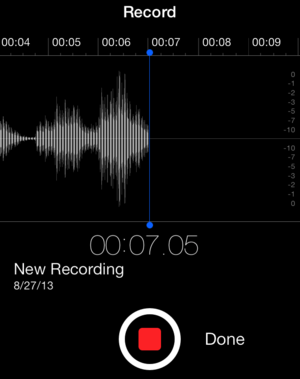
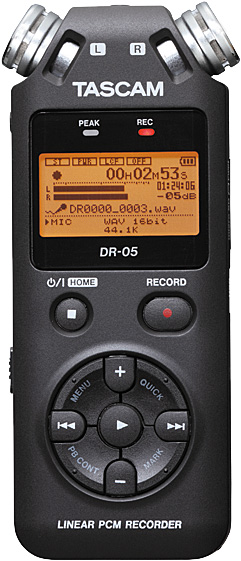
For our sound, I will be using many devices to record the sound, using the iPhone's Voice memos, the camera, and the voice recording equipment like the Tascam dr-06. Using different types of equipment helps us to mix sounds, as it may not have recorded well on one recorder but brilliantly on the others, which saves time because otherwise, we would have to record the scenes multiple times until the sound was perfect.
Some sound will be edited using Mac's and certain soundtracks will be added. I will also use the DR-05 to record any other additional sounds that we see best fitting the scene, or moments, for example, leave rustling, creaking and slapping.

Editing

To do editing, I have decided to use final cut pro x once again, as I have a wide grasp on how it works, which will help me to edit more efficiently. Just to make sure that I was on track, I decided to have a little recap, by watching this video found in my old AS blog. This video first helped me get to grips with everything in Final Cut Pro and is very simple in its style of teaching, making sure not to complicate the editing too much. As I scrubbed bit by bit, I realised that most of it I already knew, and used on a daily basis, when editing my media coursework. For my editing to improve further, I will use the same editing software so that I do not have to learn everything again, and can build on my existing knowledge of the computer software. 

Camera

I and Faith decided that the college cameras were just not as good as those we wanted for our media production. They would often leave parts blurry, and since faith had been wanting to go into media herself, we decided to look around for a camera. We visited a shop in town, where the polite and friendly assistant explained what we should use for lightweight recording with good quality. She mentioned using either Sony or Cannon as they are portable and good quality cameras. To make sure we have good and steady camera shots, we will be using a tripod that can keep the camera from juddering. We will be using a mix of handheld camerawork and steady camera shots, as some audience memebers like to see a mix of these, as they can help to connote a danger or a confusion.

Makeup


For makeup, we will be adding bruising and cuts to some of our characters, as the mise en scene makes a film seem more realistic. I watched a few videos online of makeup tutorials, and this helped with my understanding of makeup and effects. I watched many of Goldie Starling's makeup tutorial videos, getting a grip on some of her basic makeup, then looking at some of her more technically challenging makeup, and decided that the more simple effects will make our production a lot more effective and realistic, making our target audience want to watch our film more. Makeup can also help show whether the character has been through a traumatic experience, or can even help to make the antagonist stand out against normal people. The cuts and bruises also connote how much pain the hero is willing to endure to save the damsel in distress.

Thursday, 6 October 2016

Focus Group Analysis

Analysis Of Our Focus Group


After having a discussion with our focus group we felt more in synch with the ideas that our target audience would want in a horror movie.
Do you like horror films?
After hearing all of these responses, we feel that we have chose the correct genre for our target audiences. Lucy claims that it depends on what type of horror film, for example Psychological or Slasher. Lucy preferred more horror films like The Conjuring, and Mama which are both psychological horrors.
Can you name one of your favourite horror movie villains?
The most memorable characters like Freddy Krueger, Ghost-Face and Jigsaw have physical distinctions, that make them more catchy and unforgettable. Taking these ideas, we feel that our antagonist will be memorisable by his stripy suit and his facial makeup/costume. Our focus group liked these antagonists because they came across as iconic and memorable. Lucy claims that to make a character seem creepy and mysterious smudges around their eyes, and distortions towards the eyes makes the characters seem a lot more strange and odd. 
What do you think makes a good horror film title?
Maddy states that a good horror film title has to be nice and short. They also beleive that it should be simple, but not too simplistic. It could be very open and suggestive, which leads our audience to question what the film would be about. Lucy wants "Something small that doesn't give away the plot". Taking this in mind we will make sure that our title will either be short or suggestive. 

How do you feel about this idea?
After explaining the idea that we had about the missing friend we asked if ou focus group liked the idea. They claimed that it was an idea that the audience could relate to, which would also help in atttracting our focus group. 

Do you have any suggestions?
Ronan suggested that we should cover our antagonist up a bit more, especially making the eyes stand out in some way because they are the "Most recognisable feature on the face.". They definitely wanted him to be a little more "Hidden" and not have such a openly seen face.
Language barrier idea...Do you think this would work?
They highly agreed with the protagonist having a language barrier, as they told us it would be interesting with some "miscommunication". They felt that it would make it more intense as the damsel's would be in more fear because they wouldn't know what was about to is going on. This supports our idea so I think that it will be in
cluded in our media production.
What are your opinions on our Ginger Protagonist?
Lucy liked the idea of a ginger protagonist as a bright coloured hair would be more eye catching, which would make our protagonist more memorable and would "Stand out".  We didn't have any negative feedback therefore we feel that a ginger protagonist would not cause any uproars and would nicely fight against the stereotypical ginger damsel.
Do you like horror films to be conventional to a genre, or do you like them to be different?
Maddy responded very immediately stating that she doesn't want it to be so conventional it becomes predictable, and both of Lucy and Ronan that predictability is a huge turn off when it comes to a horror genre. Lucy said that to stop this we should add many climaxes and anti-climaxes. They love films where at the end, they are "Blown away" b y the plot twist, that they were so not expecting.
How important do you find horror storylines to be?
Lucy said that she finds it extremely important because that is what the story is based upon. Ronan added that he finds horrors are based around the past and why the character is doing what they are, and it has to be detailed and in depth. I think this is going to be hard to include into our Horror Trailer because of the limited time in the trailer, but we will definitely attempt to add the background in to the plot.
How important do you find the characters to be?
This linked in with the last question and our focus group agreed that in horror storylines,"it is more important to know about the antagonist " than the protagonist, and this makes it effective. Lucy's opinion is that she would spend more time on the antagonist than the protagonist because they are more key to the plot, and unlocking the understanding. Knowing this, I will take into consideration that our audiences like to know about the antagonist, of which I hadn't even considered beforehand. They didn't want to know too much about the protagonist, much to my surprise, and focused a lot more on the antagonist.
How important do you find jump scares to be?
They found that if we used jump scares too often it became non important, and didn't really have meaning, but if they used it effectively it could be used professionally, creating an effective moment of shock and make the audiences jump. They preferred more tension building, as the jump scares became predictable and our focus group really disliked predictability. They decided upon them that silence was important to make most people jump, making a long time of tension building. If we use music, Lucy suggested that it should be quietly in the background and not too loud, alike action films.


Monday, 3 October 2016

Final decisions

Faith decided to do a final idea presentation, showing our new and finalised idea for our plot story.

Thursday, 22 September 2016

Research/ finding our perfect setting


Collage of the photos we collected

After college, me and faith decided to do some exploring in a local park, when we came across this disused site that we thought would be perfect for our video, with a good range of lighting available. We also visited a dished site in town that we had heard about, but we came across a sign that said we cannot enter. Therefore we decided that that was trespassing and was unsafe for us to use. Luckily a friend of ours mentioned this place in the local park, and it was easily accessible. The only problem would be how to transport our equipment if we are using chairs and larger objects. 

Friday, 9 September 2016

Our Pilot Survey

Create your own user feedback survey

Online survey- Social media


Monday, 5 September 2016

Form Research FAITH


Powered by emaze

Results Day/ Goodbye to Nicky

After talking to Nicky who had been debating leaving this college, I received a text on results day explaining that she had been accepted onto another course in another college. This means we have to say goodbye to one of FNK's group members. We wish Nicky the best in her new college. Although Nicky is no longer one of our group members, it does not mean that we have to be rid of


Saturday, 3 September 2016

Types of Horror

Faith Starie

Types of Horror genre:


Horror films we know and love today, all have their very own sub-genre, and you'll find that they are very rarely just a horror, but with another element towards it. This helps to define and label what kind of horror film you are watching, making it lots easier to pick what film you want to watch. 
ACTION HORROR: First of all we have the action horror, which as you can tell, is very much based around action as well as horror. It usually contains the conventional gun fights, car chases and heroic protagonist, however of course still using horror elements such as blood, fear and gore. Zombie based films are usually under this category, due to both the gore of the un-dead and the chasing of our character's brains. 
BODY HORROR: Having never heard of a body horror, this one interested me to learn more about it and what it contained. It's all about the destruction of the human body. This could be experimentations on a character to make them inhuman or unnatural. An example of this would be 'The Human Centipede' or 'Teeth,' both very disturbing horrors about the changing and modifying of the human body. 
COMEDY HORROR: Taking a break from the gore and disgust, comedy horror is another key sub-genre that is used. Horrors like this, put a spin of horror and create humour and jokes out of it. usually they make a scary situation into something humorous and melodramatic. One of my personal favourites would be the 'Scary Movie' series. They aim to make their audience laugh by mocking and making fun of other horror films. They take famous and well recognised films and take stereotypical horror elements and make it funny. 
GOTHIC HORROR: When I think of Gothic Horror, I tend to think of darkness and vampires. Gothic films usually include things such as castles, dungeons and the supernatural. An example of this would be 'Dracula', 'Blade' and 'Thirst.' 
PSYCHOLOGICAL HORROR: This is the sub-genre that myself and my group want to do for our own piece, as we find it exciting, tense and unnerving. Although the other horror sub-genres are also interesting, I found this this one to stand out - as it attacks the audience's minds and thoughts. Psychological horrors usually include the idea of character feeling fear and grief. An example of this would be 'The Woman In Black' or 'The Shining.' You often don't see the antagonist, as it is designed to mess with your mind. The audience are usually unaware of who is attacking our characters, and it is sometimes revealed subtly at the end.

SCIENCE FICTION HORROR: The science fiction horror sub-genre is very much based around the idea of the paranormal or mad scientists. Scientists usually make an error in their experiment, leading to a world wide problem or issue. Technology is often used and is usually advanced. An example of this would be 'Alien' due to it being about aliens and hundreds of their eggs hatching on Earth.

SLASHER HORROR: These type of horror films are about serial killers and it often deals with a lot of violence. The killer is usually known for something unique about them, such as a weapon or mask. They contain a lot of mystery and suspense. An example of a slasher horror would be 'Prom Night,' due to mass murder and not knowing who the killer is.

ZOMBIE HORROR: Zombie horrors, as by it's title, usually include a viral outbreak or a zombie attack. 'Dawn of the Dead' would be in this category because of it being heavily based around the dead rising and eating humans.


TO CONCLUDE -

Researching all of these sub-genres have really helped me - as it means as a group, we can decide with ease, which one we want to do for our own production. Depending on what ideas we have, and what message we want to get to the audience, will all depend on what horror film we decide to do. With this, we really liked the idea of a psychological horror, as it aims to attack the minds of both out characters and our audience. It also creates trickery, which we really like the idea of. 

Tuesday, 12 July 2016

Final girl theory

The Final Girl Theory: 'The final girl' theory is all about the idea that horror films have a female survivor at the end. This refers to having one female left at the end who is the last survivor, or the one to confront our monster. This theory, as said in the name, follows the conventional characteristics of them being female. This also aims to educate the audience, as the final girl tends to be good and pure - meaning the character may be the one who doesn't smoke or drink, and is represented as 'the virgin.' She is seen as an intelligent character who helps others around her - with an overall positive look on her. This theory also suggests that whomever this female  character is, they have a mixture of being the hero, the damsel in distress and attractive.
The final girl is usually a brunette as blondes are often sexualised and the first character to die. This is usually due to blonde haired people being stereotypically dumb, weakening them from the other characters. Blonde characters are also usually presented as the 'popular squeamish one.' This character is represented as an ordinary women so that audience members can relate to them.
Carol J Clover was the person to discover this theory - she often examined slasher horror movies until she eventually noticed a pattern in the narrative.
This changed the ways in which audience members looked at female characters in horror films - as it used to be that they would die first and run away from the situation. Now, with this theory, they are represented as strong and brave, which fights against the stereotype of women. Although this may be good for gender equality and female pride, todays society are saying that it's becoming too predictable.
EXAMPLES OF THE FINAL GIRL THEORY:'Scream' - It has a female at the end of the film who survives.or 'Carrie.' Posted by 

-----------------------------------------------------------------------------------------------------

Looking at the final girl theory myself, i saw that the character typically took on the masculine role, and was a mixture of the damsel and the hero (according to Propps theory, characters could have more than one purpose.)
According to Clover (1992), the final girl would usually have a unisex name, and for the example, names like; Teddy, or Billie.

Email


Faith emailed corah of leicester, to see if our product group would be able to use this location for our media production. We are awaiting a confirmation or reply still, hoping that they will get back to us soon.

Monday, 11 July 2016

Emailing a professional

We decided to email Independant film company to see if they could help us by giving us tips or ideas on how to make a successful film trailer with such a low budget, as their films are more for the niche audience.


Sunday, 10 July 2016

Email Corah Of Leicester

Today i decided to email Corah Of Leicester, hoping that side they did not reply to Faith, that they would hopefully read this email i had sent. I had tried to contact Corah Via the phone but i was directed to a very unhelpful person who repeatedly told me that he didn't care for my A2 and that he had better things to do than help me, so i am not sure as to whether i had the right number, as the website does not have a number, therefore i may have got the wrong number...
The Email... Now all we have to do is wait and see. 

Monday, 4 July 2016

My Research Into Similar Products


I looked at for the trailer for the awakening and took note of all the non-diagetic and diagetic sounds that occurred during the trailer. I also took note of the longer shots and what they were used for. Silence also plays a big impact on suspense gliding in horror films/trailers. The first establishing shot is a shot reverse shot of an older looking woman, asking a younger looking woman if she is "prepared", which immediately gives tension, as the audience begin to wonder what she has to be "prepared to see".


Friday, 1 July 2016

Nicky's Research Into Similar Products

Textual Anaylsis 1

I have decided that I am going to analyse the conjuring 2 trailer, as it is a rather new film that has been released, so the trailer is going to have some techniques that the audience may feel interested for.
Conjuring 2 carries on from the first conjuring, both films include families that are haunted by ghosts and both have hunters or paranormal investigators (Lorraine, and Ed Warren) to try and protect the families from bad things from happening. The conjuring 2 is about a single mother raising four children in a house with an evil spirit, this is set in 1977. During this trailer I feel that it is very clear that the genre of this  film is horror, due to it following the conventions of the genre. I feel that this also gives us good ideas about what we could include in our trailer.
Having the backing of one of the big 6 makes this film having more of the chance of having more money to market there film, therefor leading for better circulation of the trailer (affording to put it on YouTube home advertising(costs around a million pounds per day)) and posters, and magazine interviews. This also means that the trailers are more likely to have better quality.


Within the trailer there is fast editing, specifically when you can see the paranormal activity happen. This fast editing is joined with screams, which turns the fast editing into something rather scary. Fast editing is usually common with supernatural horror, therefore this also shows that the film is going to be horror. The black shots in between the camera shots also shows that the film is horror, as it builds suspense and that it splits the sections in the trailer which also shows that the trailer is not everything that is the film. This again gives the film a good build, possibly meaning that there is going to be more audience in the cinemas. There is a zoom in just before the really fast editing of the supernatural action, on this shot there is a drag up of the directors name, I feel that this good as it is not disrupting the trailer its self, its not changing the way it is set. I think it also increases the build up, as you are focusing on the spinning wheel, but the name is also coming into view. This may also persuade the audience to look at other films that have been directed by 'James Wan'. There is not much writing on the screen during this trailer so the things that are on the screen are more memorable for the audience to remember, therefore increasing the publicity of the director, and actors. After the really fast editing the shots changes slow down a bit, giving an idea that the action has slowed down a bit, but then is a shock to the audience when the editing begins to speed up a bit. this shows that the film isn't all fast paced but there is a lot that is. The building up of the speed of editing shows that although the  film may slow down at certain points the excitement of the film does not stop. During this editing technique they used like a old film wheel was used a lot to change the setting or time of the plot, this then identifies that the film is not set in just one day, it is set over a period of time.

During the trailer there is some non-diegetic music, string music to be exact, the music starts pretty low and then gets higher. This diegetic music is used a lot during horror films, so therefore is iconic, which means that the audience knows that it is a horror genre, as they have probably heard similar music throughout multiple horror films, and trailers. During the first part of the trailer we hear the young girl speaking, the dialogue is in a low whispered tone, again this is usually in horror trailer. The dialogue however is very informative on what the film is about, however it does not give the whole plot away to the audience. This gives the audience a sense of suspense, specifically to what is going to happen as in the trailer we hear the young victim tell her mother that the 'spirit is wanting to hurt her'. Behind the dialogue we hear other diegetic sounds, such as the wind, the squeaky swing set, and the wind getting worse. These sounds also connote the sense of horror, as we know that these sounds exist, but these are identified more in the horror genre rather than any other genre. This therefore in forces the style of film the conjuring 2 is. After this section in the trailer is when the string non-diegetic music begins. Also during this when the fast editing starts the non-diegetic music speeds up and becomes a lot deeper, therefore connoting the sense of panic and terror, as deep, loud music normally symbolises this.

The lighting in this trailer is dark, with very little light, therefore only really using background and the light from the objects being used in the shots. This lack of key lighting is typically used in horror films, giving the audience a sense of dread and distress, specifically because many people are told to be careful of the dark. with the low key lighting the film then re-enforces this to the audience, as they believe that most bad things happen at night. With this being a psychological/supernatural horror they may have wanted to scare, especially that they still feel slightly scared after the trailer, and if they go to see the film. With it having sections of supernatural involved it usually seen that paranormal activity happens after dark, therefor going along with the convention of typical paranormal horrors.

There are multiple shots that are used throughout the trailer. There are some medium close up shots, specifically when there is a conversation between two characters, this shows that they are trying to be serious and that they are both relatively important in the conversation. Towards the end of the trailer, we see more close ups of the victim,especially when the paranormal activity began to show in the trailer, this was to show the victims facial expressions, to identify the scary parts of the film. These close ups of the victim also help the audience identifies that she is the victim of the paranormal activity. There are also panning shots that follow the house, showing multiple rooms of the house, as we can see that there are only few of the rooms shown, it helps the audience identify that these are the rooms that are probably most significant to the film. But at the beginning of the trailer we see the shots following into the backyard where we see the possible main characters of the film. We can tell that these are the main characters in this film due them being the first ones we see on the screen.


The setting of the conjuring 2 follows the convention of the typical horror film, It follows the convention of other horror films as they are set in an abandoned house, thid may make the target audience feel more scared than other horror  films that are set in other places (e.g in the woods), as it is set in a house and the circumstances of the family may be real, it gives the audience a sense of fright that it could happen to them, especially if they believe that paranormal creatures exist. The colours of the set aren't very bright, again going with the convention of typical psycho-horror, the darker duller colours usually connote the sense of evil, and death, with connation of death it foresees that there is going to be paranormal activity, especially as you can tell that the house would have been abandoned for a while before the new family have moved in. We are also able to tell this by the diegetic sound of the wind and swing squeaking, this emphasises that the house was not lived in for a while before the family in the film had moved in. Horror films also have the conventions that the protagonist wears normal, casual, civilian clothes, which therefore also helps the audience feel more toward the victim of the film, and it also makes the audience feel as though they are part of the film as they would also be wearing casual clothing. However this is set in a different time period which may also separate the audience from those in the film, also closing down on the scariness of the film, however this may not always be true. During the trailer crosses are seen which is also part of supernatural horror, or psych-horror, this is so that the audience believe that the antagonist is against god, and good, This may help with Christians that are watching films as they may not want to belive that god would allow anything bad to be under his control. 

Faith's Research Into Similar Products

Textual Analysis 2 

'The Woman In Black' follows a lawyer named Arthur Kipps, played by Daniel Radcliffe, who visits a remote village after his wife's death. He soon realises that the villagers aren't telling him something, as they fear the house that his late client stays in. This house is found to be haunted by a woman, who uses her wrath and need to kill to find what she once lost. This exciting horror was directed by James Watkins and released in the USA on the 3rd February 2012. 'The Woman In Black' is a physiological horror, meaning you never really get to see the antagonist - it's all in the mind. I have decided to look at 'The Woman In Black' as part of my research to creating my own horror/thriller promotional trailer. I hope that by the end of this research I will have a much clearer understanding of what key conventions of a horror film trailer are, what mise-en-scene is effective, and what exactly made this film/ trailer so successful.

One of the first things the audience see, is what looks like a nursery. This is done to set the scene and the overall atmosphere of the film they are trying to promote. One of the first things I noticed was the lighting. Low key lighting is used in order to make a room that is usually seen as innocent and pure, into something dark and cruel. Nurseries are usually visioned as a place for children to play and grow, and the fact that the producers have put an eerie spin on it makes what they are truing to portray, very effective, The use of lighting is an important part of mise-en-scene as it means the audience can use their imagination even further, making what reality thinks to be impossible, into something very possible.  As well as the ghostly low key lighting, back lighting is used as you see it come out of the window in the background. This is used as it means the lighting can project gently onto the rest of the room. Being that their is very little light, it helps to support the low-key atmosphere, creating shadows and shaded furniture. The light shining from outside of the setting of the house also connotes the idea that in the outside world everything is happy and lively. However, the house itself has haunting imprisonment of the woman in black. A candle also gives off little light to give a glow to the room. Candles are usually used, from the idea of medieval times, as it creates the idea of history and vulnerability to the flame.
Another shot, being a close up of a doll, allows the audience to see more detail into the contents of the scene. Porcelain dolls are often used in horror films as they are seen as unusual and scary, as the thought of what these dolls do in the night crosses everyones mind. An innocent doll is given a frightening twist. Examples of films that use this would be 'The Conjuring,' 'Blood Dolls' and 'Dead of Night.' They all use a prop like this to represent the idea of the non-living becoming some-what dangerous to them. 
The messy hair of the doll connotes the idea of disturbance, as most dolls have neat and well brushed hair as they are meant to be played with and cared for by their buyers. The audience see that this doll isn't looked after, and actually looks quite old. The mud and dirt on the doll's face connotes ageing and abandonment. It supports the imagery of this innocent doll being feared rather than loved. Usually a doll in a horror film suggests the idea of an innocent object being possessed by supernatural and inhuman beings, which is all part of scaring the audience.
We see an extreme long shot of a horse and carriage moving from one side of the frame to the other. The set is really important, as it means the audience are able to use their imagination to it's limits. The setting tells the audience context and background to what is happening. In the foreground of the frame their is a large wooden cross stuck in the ground. A lot of films use a cross as it's said to anger demons and bad spirits. Being that the narrative is about a small town haunted by a woman in black, the cross suggests the idea that the towns people are fending off any unwanted visitors - however later on we see that their attempt to do this doesn't quite work how they wanted it to. The background is extremely empty due to the connotation of loneliness and abandonment and mist is used to suggest the idea of the unknown. Due to this part of the trailer, the audience see that this is not set in modern day because of the way in which characters are seen travelling. We get the idea that it is set in the late 18th or 19th century because of how they travel - both giving us a sense of time and place. Another shot shows a huge house. It's anodyne and not looked after which connotes the idea that nobody ever goes to this building, which the audience soon find out, is because of it being haunted. It's stereotypical for horror films to use huge manors like this due to it's rustic and old look to it. Haunted houses are usually due to someone dying a long time ago and wanting revenge for something - this house gives the perfect insight to where the woman in black walks.
We also see our protagonist, Arthur Kipps, in sight of a message on a wall. The message is written in red which is connoted to be blood due to it's dripping messy font. Blood being a conventional element in horror films, this works really well to disturb the audience. On the wall it says 'you could have saved him.' Here, we get the idea that our protagonist is the victim as a result of doing something horrible in his past. The audience get the idea that this is from our antagonist, as it is almost seen as a threat to our main character. The last shot of the trailer shows the antagonist themselves. It shows them very slightly and doesn't reveal too much to the audience, meaning none of the mystery is lost.
The producers don't make this too obvious because they want to scare the audience quickly right at the end of the trailer. This means that this is one of the things they remember about the film because it's at the end, and the audience are able to see what they are going to be in for if they watch the film. The idea of the protagonist having no idea that what the town fears the most is right behind him, sends a chill up the audience's spines. This monster is white faced with big dark eyes which makes them hidden and ghostly.
Now to talk about sound used, and why it was used. Below is the trailer for you to watch before I begin.

TRAILER
At the beginning of the trailer we hear diegetic sound of the wind. This sets the scene to be eerie and bone chilling. The sound of wind is usually used in horror films as it sets the atmosphere to be empty and tension building. The audience then hear the sound of music being played as it focuses on toys and dolls in the room. The sounds used are high pitch and sound like a music box, however it's slowed down to make an innocent tune into something scary and unusual. As the audience watch whats happening, the music gradually gets louder to build suspense. The audience then hear a girl's voice. Being a young girl, it makes the purity of a child stop as she talks about something extremely dark and frightening. She says:

'During afternoon tea, theres a shift in the air. A bone trembling chill, that tells you she's there. There are those who believe the town is cursed, but the house in the marsh is by first the worst. What she wants is unknown, but she always comes back. The spectre of darkness - the woman in black.'

This rhyming prologue works really well to give an insight of what is to happen and what the woman in black is all about. As she says this we see visually what is happening on  screen. 

Produced by Faith Starie

Sub-Genres Of Horror

Thursday, 30 June 2016

Horror Trailers

During our media lesson, i looked at different Horror adverts to see what type of horror i would like to do for our media production.

After watching many of these trailers, i realise that there was a similarity between all of the trailers. Besides all having an eerie background soundtrack, all of the trailers used a quick fading to black, with some of them having a cut to a black screen, for a split second, and then cutting back to another shot from the film.