Lighting (LFX)
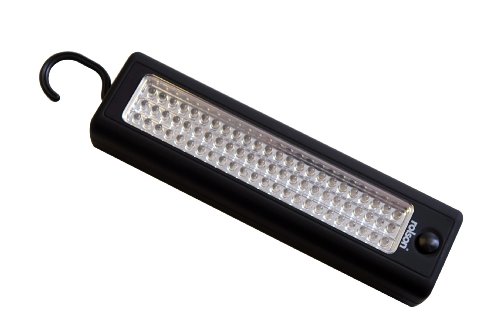
For our production, we will not be using much lighting as main scenes will already be inside (with sufficient lighting) or will be outside in the daylight. Because we are having to move around a lot, we will be using one of my Rolson 72 LED camping torches to make sure that our set isn't too dark if the sky is grey. It is easily portable and is used in camping, so can endure any water or rain it can comes in contact with. Because it isn't a rounded torch, it helps to light up more of the area, instead of just a certain spot, which helps to make the lighting seem more realistic. If we had unlimited money, we would purchase bigger lighting that covered a wider area, but because of our limited money, we are using less expensive equipment. The handheld light that is seen above wilol be used for the key lighting. This helps focus upon the main character on screen.
Sound (SFX)
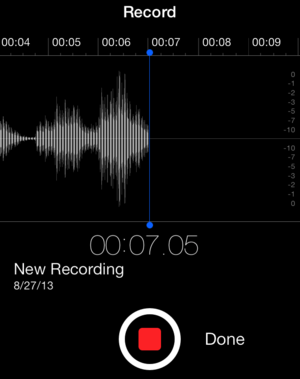
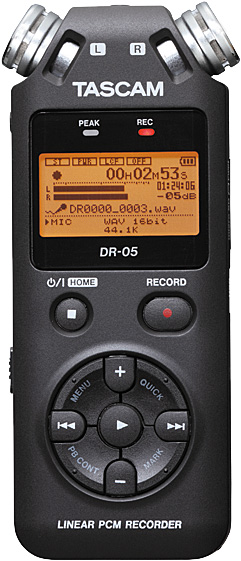 For our sound, I will be using many devices to record the sound, using the iPhone's Voice memos, the camera, and the voice recording equipment like the Tascam dr-06. Using different types of equipment helps us to mix sounds, as it may not have recorded well on one recorder but brilliantly on the others, which saves time because otherwise, we would have to record the scenes multiple times until the sound was perfect.
Some sound will be edited using Mac's and certain soundtracks will be added. I will also use the DR-05 to record any other additional sounds that we see best fitting the scene, or moments, for example, leave rustling, creaking and slapping.
Editing
Camera
 I and Faith decided that the college cameras were just not as good as those we wanted for our media production. They would often leave parts blurry, and since faith had been wanting to go into media herself, we decided to look around for a camera. We visited a shop in town, where the polite and friendly assistant explained what we should use for lightweight recording with good quality. She mentioned using either Sony or Cannon as they are portable and good quality cameras. To make sure we have good and steady camera shots, we will be using a tripod that can keep the camera from juddering. We will be using a mix of handheld camerawork and steady camera shots, as some audience memebers like to see a mix of these, as they can help to connote a danger or a confusion.
 Makeup


No comments:
Post a Comment