Wednesday, 12 October 2016

Monday, 10 October 2016
Lighting (LFX)
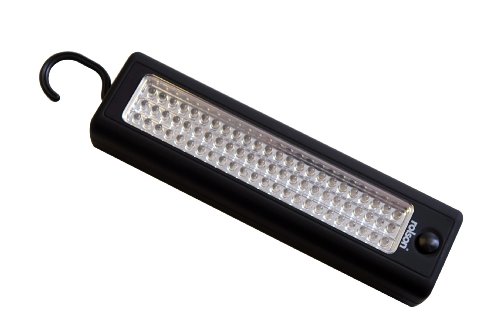
For our production, we will not be using much lighting as main scenes will already be inside (with sufficient lighting) or will be outside in the daylight. Because we are having to move around a lot, we will be using one of my Rolson 72 LED camping torches to make sure that our set isn't too dark if the sky is grey. It is easily portable and is used in camping, so can endure any water or rain it can comes in contact with. Because it isn't a rounded torch, it helps to light up more of the area, instead of just a certain spot, which helps to make the lighting seem more realistic. If we had unlimited money, we would purchase bigger lighting that covered a wider area, but because of our limited money, we are using less expensive equipment. The handheld light that is seen above wilol be used for the key lighting. This helps focus upon the main character on screen.
Sound (SFX)
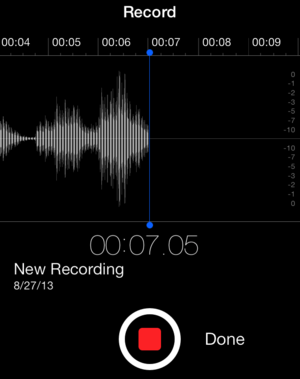
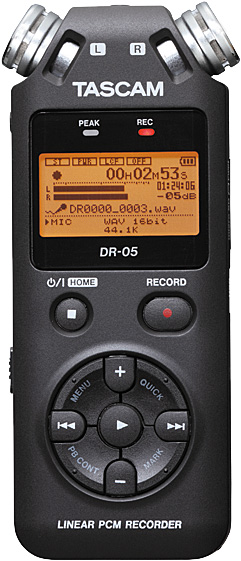 For our sound, I will be using many devices to record the sound, using the iPhone's Voice memos, the camera, and the voice recording equipment like the Tascam dr-06. Using different types of equipment helps us to mix sounds, as it may not have recorded well on one recorder but brilliantly on the others, which saves time because otherwise, we would have to record the scenes multiple times until the sound was perfect.
Some sound will be edited using Mac's and certain soundtracks will be added. I will also use the DR-05 to record any other additional sounds that we see best fitting the scene, or moments, for example, leave rustling, creaking and slapping.
Editing
Camera
 I and Faith decided that the college cameras were just not as good as those we wanted for our media production. They would often leave parts blurry, and since faith had been wanting to go into media herself, we decided to look around for a camera. We visited a shop in town, where the polite and friendly assistant explained what we should use for lightweight recording with good quality. She mentioned using either Sony or Cannon as they are portable and good quality cameras. To make sure we have good and steady camera shots, we will be using a tripod that can keep the camera from juddering. We will be using a mix of handheld camerawork and steady camera shots, as some audience memebers like to see a mix of these, as they can help to connote a danger or a confusion.
 Makeup

Thursday, 6 October 2016
Focus Group Analysis
Analysis Of Our Focus Group
After having a discussion with our focus group we felt more in synch with the ideas that our target audience would want in a horror movie.
Do you like horror films?
After hearing all of these responses, we feel that we have chose the correct genre for our target audiences. Lucy claims that it depends on what type of horror film, for example Psychological or Slasher. Lucy preferred more horror films like The Conjuring, and Mama which are both psychological horrors.
Can you name one of your favourite horror movie villains?
 The most memorable characters like Freddy Krueger, Ghost-Face and Jigsaw have physical distinctions, that make them more catchy and unforgettable. Taking these ideas, we feel that our antagonist will be memorisable by his stripy suit and his facial makeup/costume. Our focus group liked these antagonists because they came across as iconic and memorable. Lucy claims that to make a character seem creepy and mysterious smudges around their eyes, and distortions towards the eyes makes the characters seem a lot more strange and odd.
 What do you think makes a good horror film title?

How do you feel about this idea?
After explaining the idea that we had about the missing friend we asked if ou focus group liked the idea. They claimed that it was an idea that the audience could relate to, which would also help in atttracting our focus group.
Do you have any suggestions?
Ronan suggested that we should cover our antagonist up a bit more, especially making the eyes stand out in some way because they are the "Most recognisable feature on the face.". They definitely wanted him to be a little more "Hidden" and not have such a openly seen face.
Language barrier idea...Do you think this would work?
 They highly agreed with the protagonist having a language barrier, as they told us it would be interesting with some "miscommunication". They felt that it would make it more intense as the damsel's would be in more fear because they wouldn't know what was about to is going on. This supports our idea so I think that it will be in
cluded in our media production.
What are your opinions on our Ginger Protagonist?
 Lucy liked the idea of a ginger protagonist as a bright coloured hair would be more eye catching, which would make our protagonist more memorable and would "Stand out". We didn't have any negative feedback therefore we feel that a ginger protagonist would not cause any uproars and would nicely fight against the stereotypical ginger damsel.
 Do you like horror films to be conventional to a genre, or do you like them to be different?
Maddy responded very immediately stating that she doesn't want it to be so conventional it becomes predictable, and both of Lucy and Ronan that predictability is a huge turn off when it comes to a horror genre. Lucy said that to stop this we should add many climaxes and anti-climaxes. They love films where at the end, they are "Blown away" b y the plot twist, that they were so not expecting.
How important do you find horror storylines to be?
 Lucy said that she finds it extremely important because that is what the story is based upon. Ronan added that he finds horrors are based around the past and why the character is doing what they are, and it has to be detailed and in depth. I think this is going to be hard to include into our Horror Trailer because of the limited time in the trailer, but we will definitely attempt to add the background in to the plot.
 How important do you find the characters to be?
This linked in with the last question and our focus group agreed that in horror storylines,"it is more important to know about the antagonist " than the protagonist, and this makes it effective. Lucy's opinion is that she would spend more time on the antagonist than the protagonist because they are more key to the plot, and unlocking the understanding. Knowing this, I will take into consideration that our audiences like to know about the antagonist, of which I hadn't even considered beforehand. They didn't want to know too much about the protagonist, much to my surprise, and focused a lot more on the antagonist.
How important do you find jump scares to be?
 They found that if we used jump scares too often it became non important, and didn't really have meaning, but if they used it effectively it could be used professionally, creating an effective moment of shock and make the audiences jump. They preferred more tension building, as the jump scares became predictable and our focus group really disliked predictability. They decided upon them that silence was important to make most people jump, making a long time of tension building. If we use music, Lucy suggested that it should be quietly in the background and not too loud, alike action films.
 Monday, 3 October 2016
Final decisions
Faith decided to do a final idea presentation, showing our new and finalised idea for our plot story.
Subscribe to:
Comments (Atom)